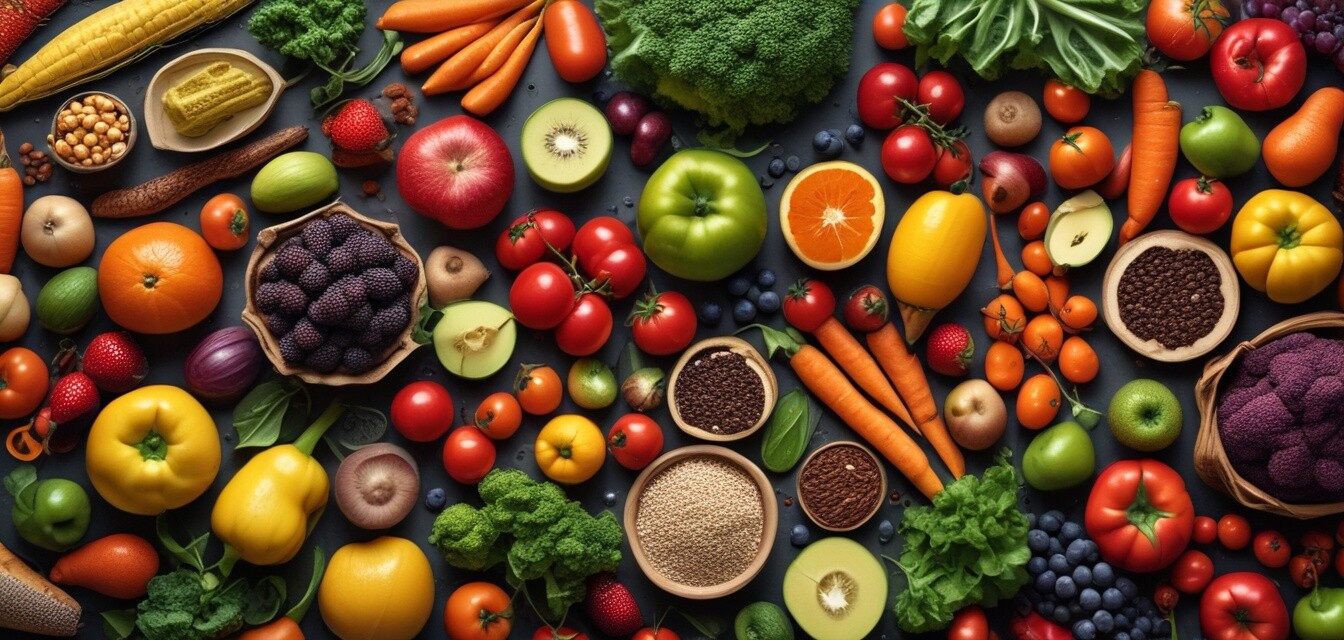
The rise of plant-based diets in weight loss
Key Takeaways
- Plant-based diets are gaining popularity for weight loss among health-conscious individuals.
- Such diets provide a host of nutritional benefits, supporting overall health and well-being.
- They encourage a variety of foods that are not only nutritious but also environmentally friendly.
- Understanding the benefits and challenges can help in effectively adopting a plant-based diet.
As the quest for healthier lifestyles continues, plant-based diets have emerged as a notable trend in weight management. With a plethora of research underscoring their benefits, these diets are transforming not only individual health but also the broader landscape of nutrition. This article delves into the rising popularity of plant-based diets, exploring their impact on weight loss and holistic health.
Understanding plant-based diets
A plant-based diet primarily consists of foods derived from plants. This includes fruits, vegetables, whole grains, legumes, nuts, and seeds. While the term can encompass a variety of dietary choices, it generally emphasizes consuming whole, minimally processed foods.
Common types of plant-based diets
- Vegetarian: Excludes meat but may include dairy and eggs.
- Vegan: Eliminates all animal products, including dairy and eggs.
- Pescatarian: Includes fish and seafood but avoids other meat sources.
- Flexitarian: Primarily plant-based but occasionally includes meat or fish.
Why are plant-based diets popular for weight loss?
The rising interest in plant-based diets for weight loss can be attributed to several factors:
| Factor | Description |
|---|---|
| Nutritional density | Plant-based foods are rich in essential nutrients, promoting satiety and overall health. |
| Lower calorie intake | Whole plant foods tend to be lower in calories, aiding in weight management without deprivation. |
| Increased fiber | High fiber content helps with digestion and keeps you feeling full longer. |
| Variety of flavors | The diversity of plant-based foods allows for endless culinary creativity, making meals enjoyable and satisfying. |
Health benefits of a plant-based diet
Beyond weight loss, embracing a plant-based diet offers several health benefits:
- Improved heart health
- Better digestion
- Enhanced energy levels
- Reduced risk of chronic diseases
Challenges of adopting a plant-based diet
Like any lifestyle change, adopting a plant-based diet comes with its challenges. Here are some common hurdles:
- Planning balanced meals: Ensuring all essential nutrients are covered can require meal planning.
- Social situations: Dining out or family gatherings may present limitations in food choices.
- Pace of change: Transitioning too quickly can be overwhelming; gradual changes can be more manageable.
How to successfully transition to a plant-based diet
Transitioning to a plant-based diet need not be daunting. Here are some effective strategies:
- Start slow: Gradually increase your intake of plant-based foods while reducing animal products.
- Explore new recipes: Experiment with various plant-based dishes to find what you enjoy.
- Join a community: Connecting with like-minded individuals can provide support and inspiration.
- Visit our Holistic Lifestyle Tips page for more guidance.
Trends in plant-based diets
As plant-based diets continue to gain traction, several trends have emerged:
- Increased availability: More supermarkets and restaurants are providing plant-based options.
- Innovative products: Plant-based substitutes for meat and dairy are becoming mainstream.
- Research advancements: Continued studies demonstrate the positive effects of plant-based diets on health.
Conclusion
In summary, the rise of plant-based diets in weight loss mirrors a growing awareness of holistic health. With numerous benefits, including improved nutrition and weight management, plant-based diets represent a desirable pathway to overall well-being. However, challenges remain; understanding these can assist in fostering a successful transition. Monitoring trends and staying informed can guide individuals on their plant-based journey. Explore our latest articles to stay updated on everything related to holistic weight loss.
Pros
- Nutrient-rich and low-calorie food options.
- Encourages sustainability and environmental awareness.
- Wide variety of foods promotes culinary exploration.
- Can lead to better overall health when balanced properly.
Cons
- May require meal planning for balanced nutrition.
- Some may find it challenging in social situations.
- Transitioning can take time and can be overwhelming.